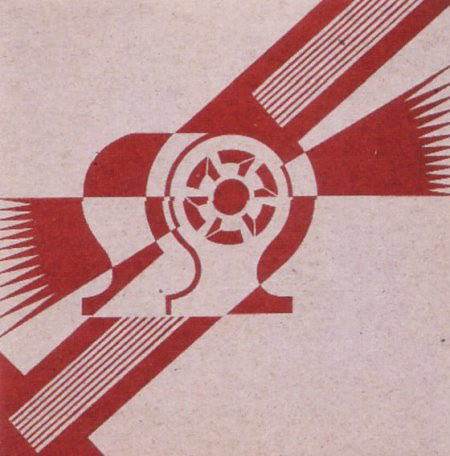
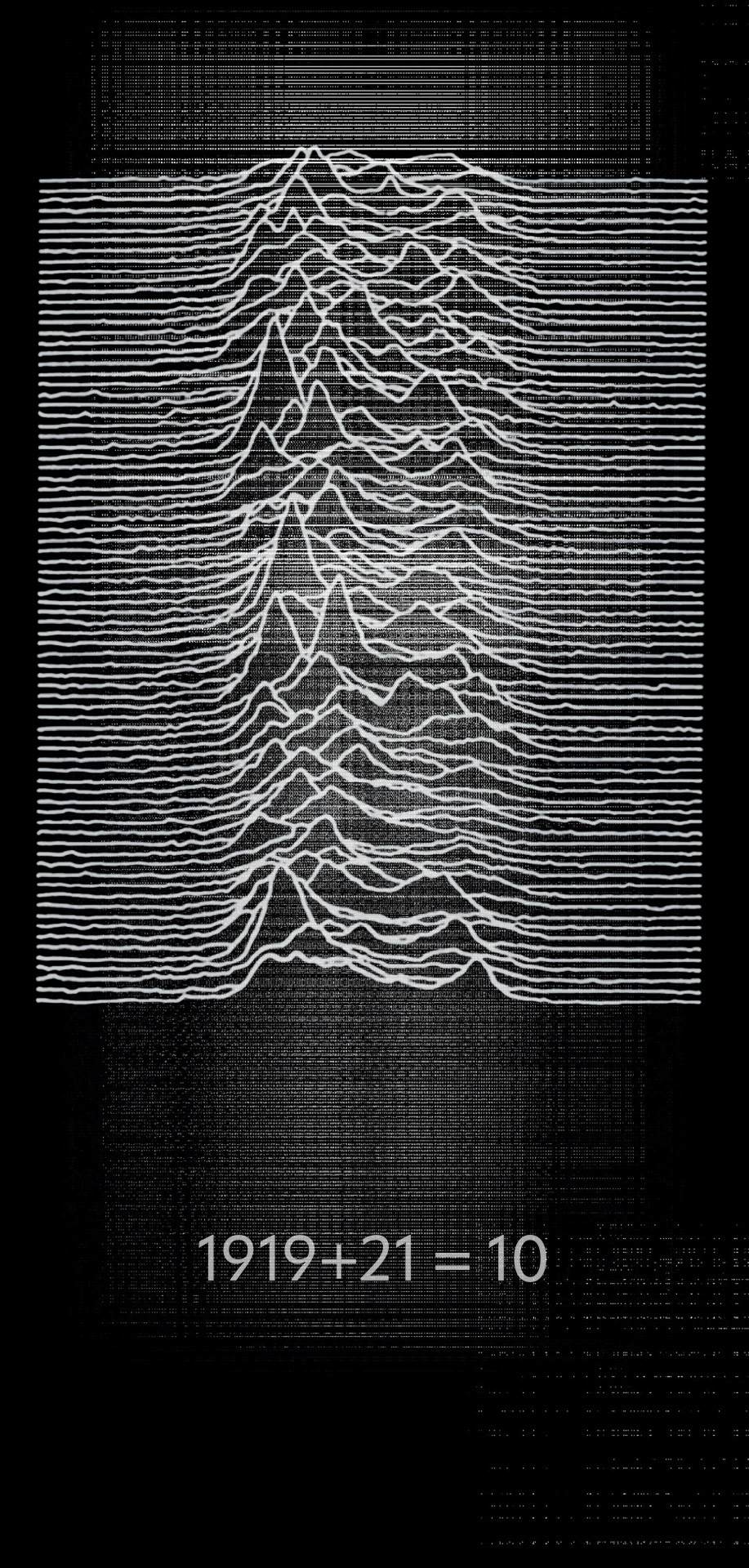
FACT10
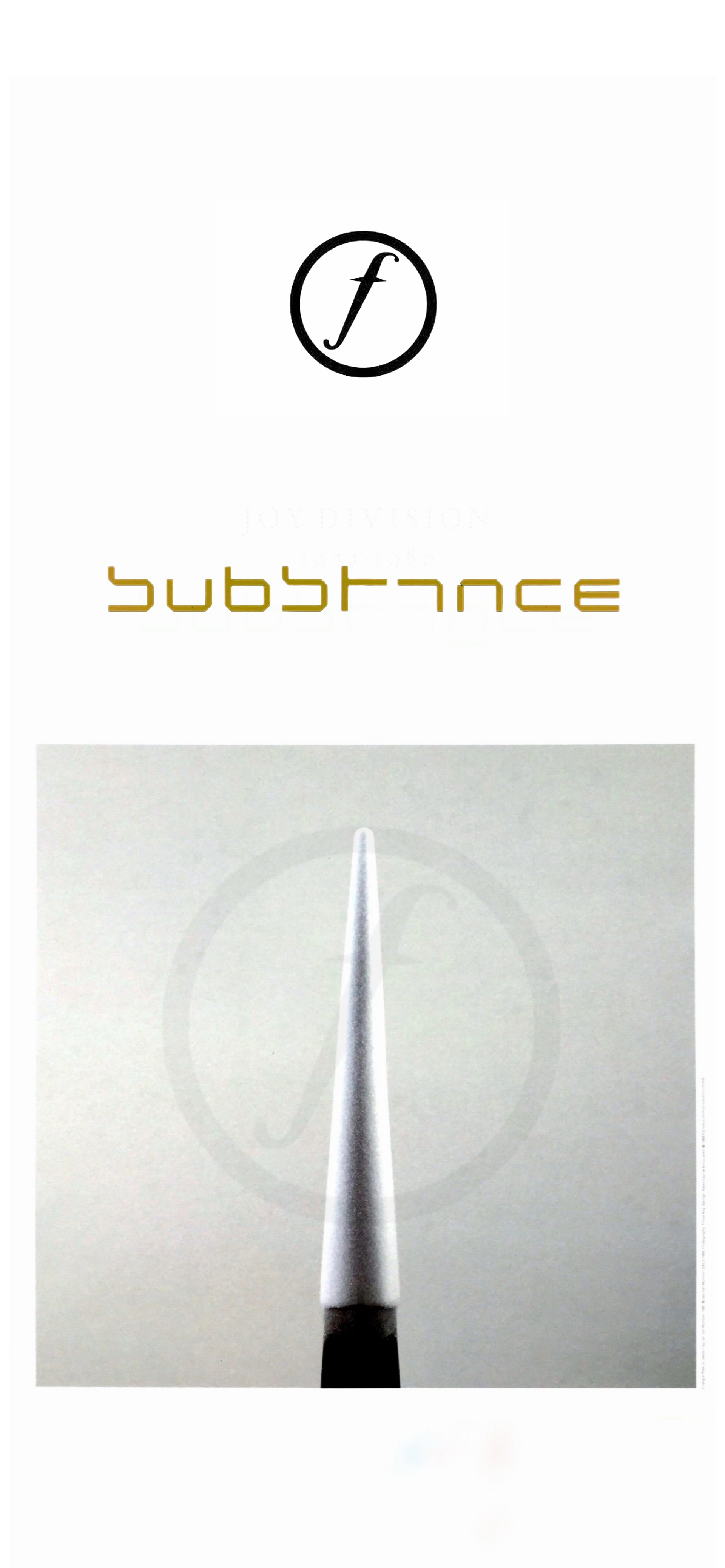
FACT250
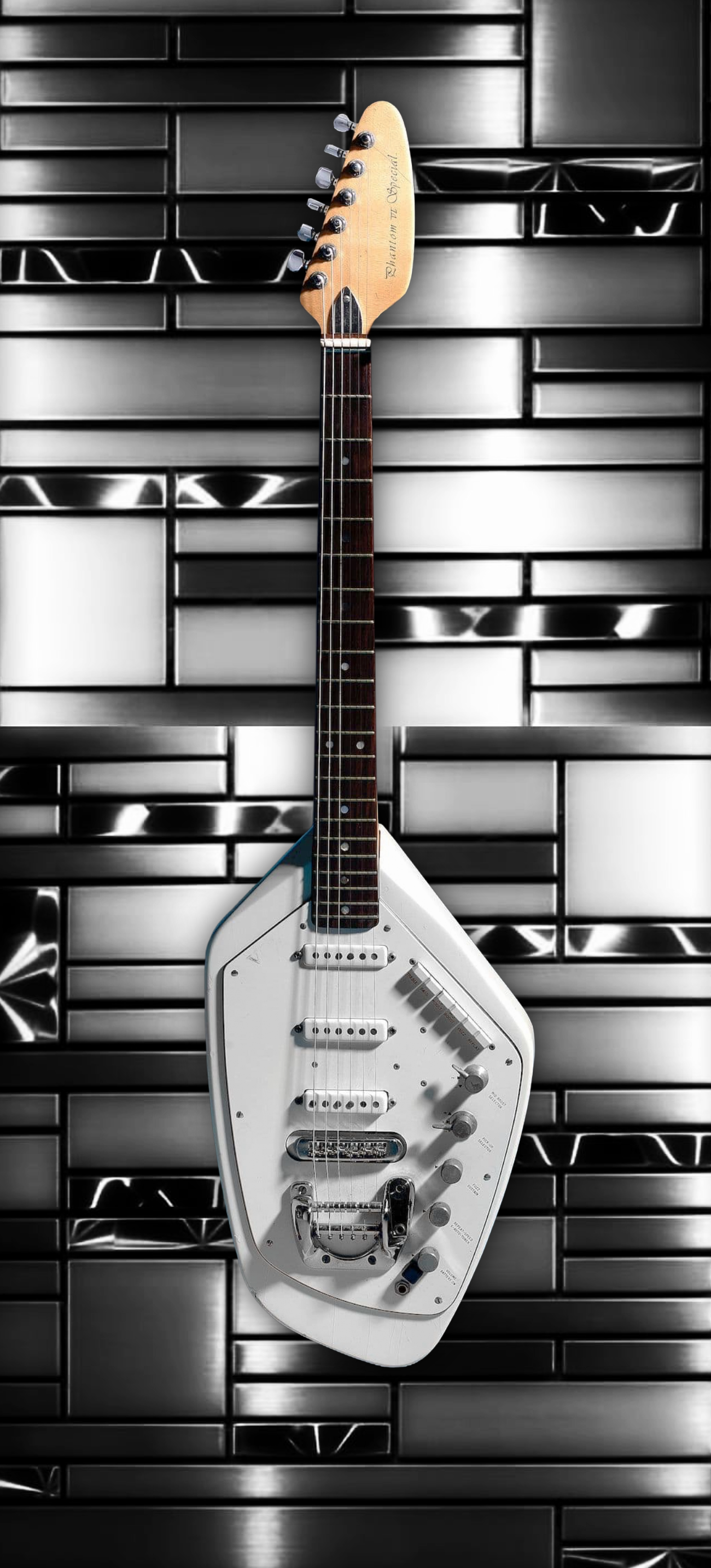
Vox Phantom II
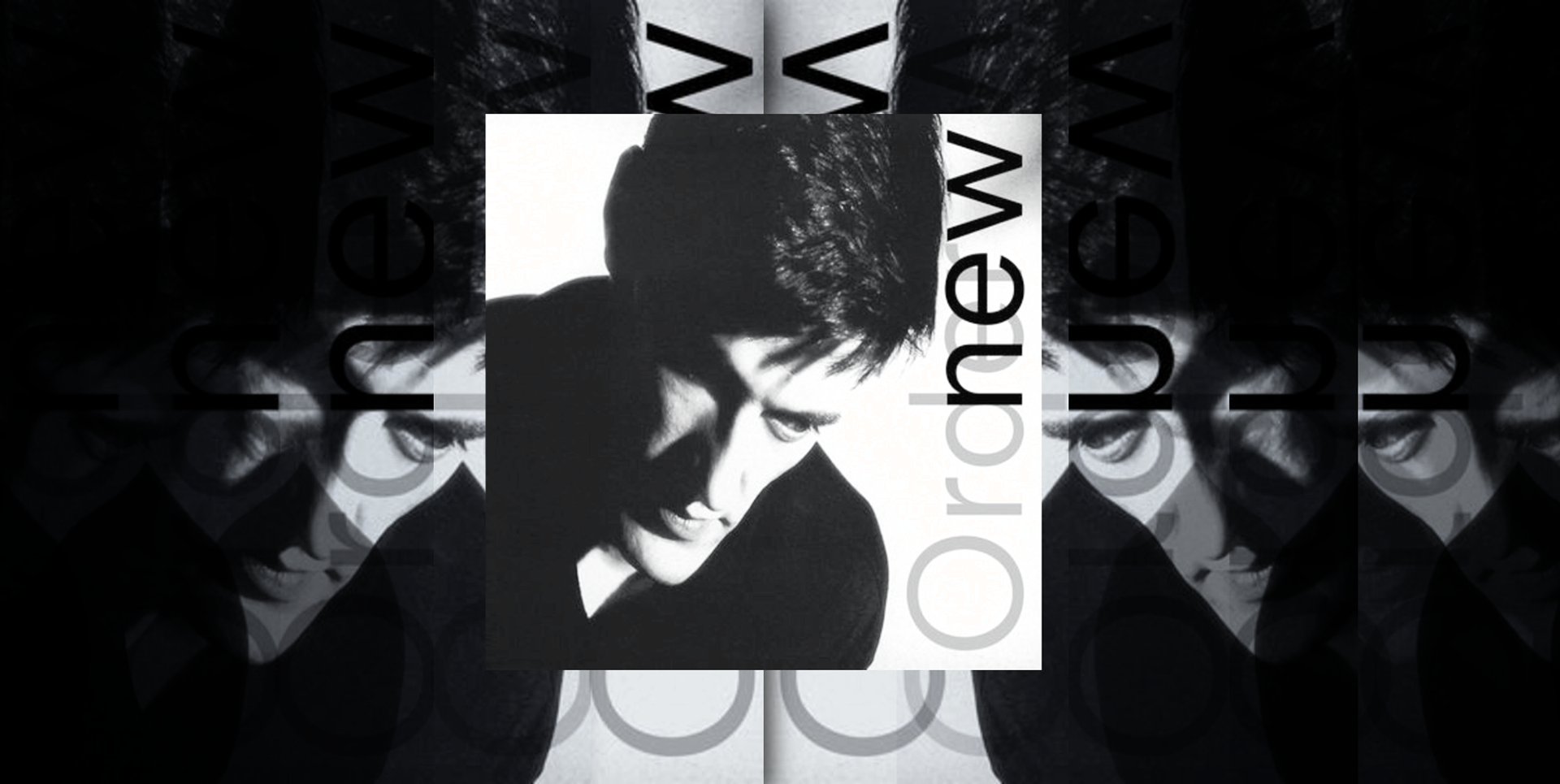
Low-Life The third studio album by New Order, Which was released on 13 May 1985 by Factory Records. It is Widely considered one of the best New Order albums ever released, The album features heavily with integrated synthesizers, samplers, and club-driven rhythms while maintaining Hooky's basslines and melodic guitar leads.
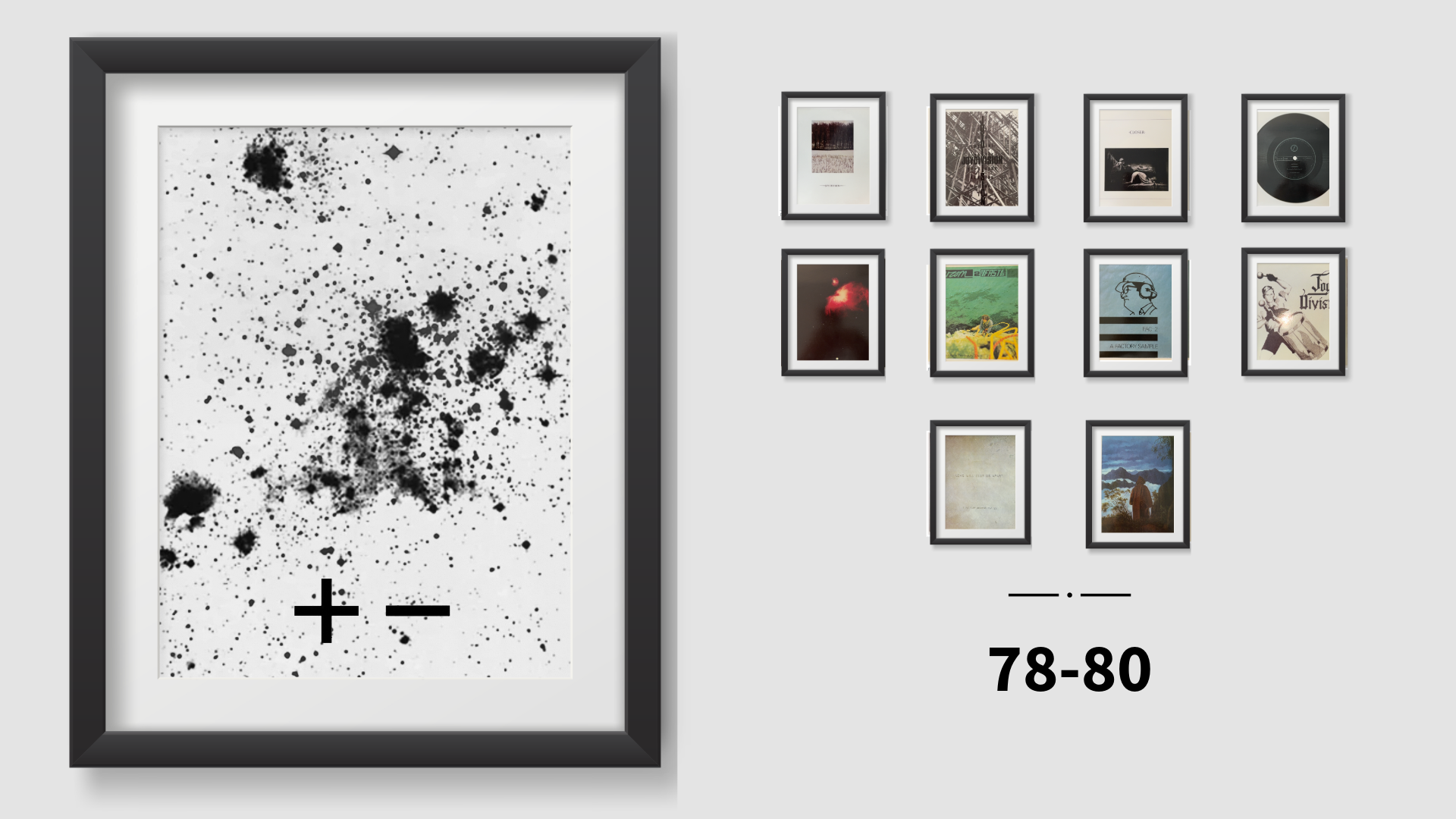
1. Warsaw / Leaders Of Men 2. No Love Lost / Failures
3. Digital / Glass 4. Autosuggestion / From Safety To Where
5. Transmission / Novelty 6. Atmosphere / Dead Souls
7. Komakino / Incubation & As You Said 8. Love Will Tear Us Apart / These Days
9. She's Lost Control (12" version) / Love Will Tear Us Apart (Pennine Version)
Co-founder of the legendary independent label Peter Saville leant his eyes to the project providing stunning outer packaging and suggesting the concept for the Sleeves. Each cover is based upon its Original Idea .

FAC50 Movement is their debut studio album , Released on 13 November 1981 by Factory Records. Recorded in the wake of Joy Division front man Ian Curtis' suicide the previous year, the album is a continuation of the dark post-punk sound of Joy Division.C

Factory Records Circa 1978
Factory Records was a Manchester-based British independent record label founded in 1978 by Tony Wilson and Alan Erasmus.The label featured several important acts on its roster, including Joy Division, New Order, A Certain Ratio, The Durutti Column, Happy Mondays, Northside, and (briefly) Orchestral Manoeuvres in the Dark (OMD) and James. Factory also ran The Haçienda nightclub, in partnership with New Order.
FACT25/fac23/FACT250
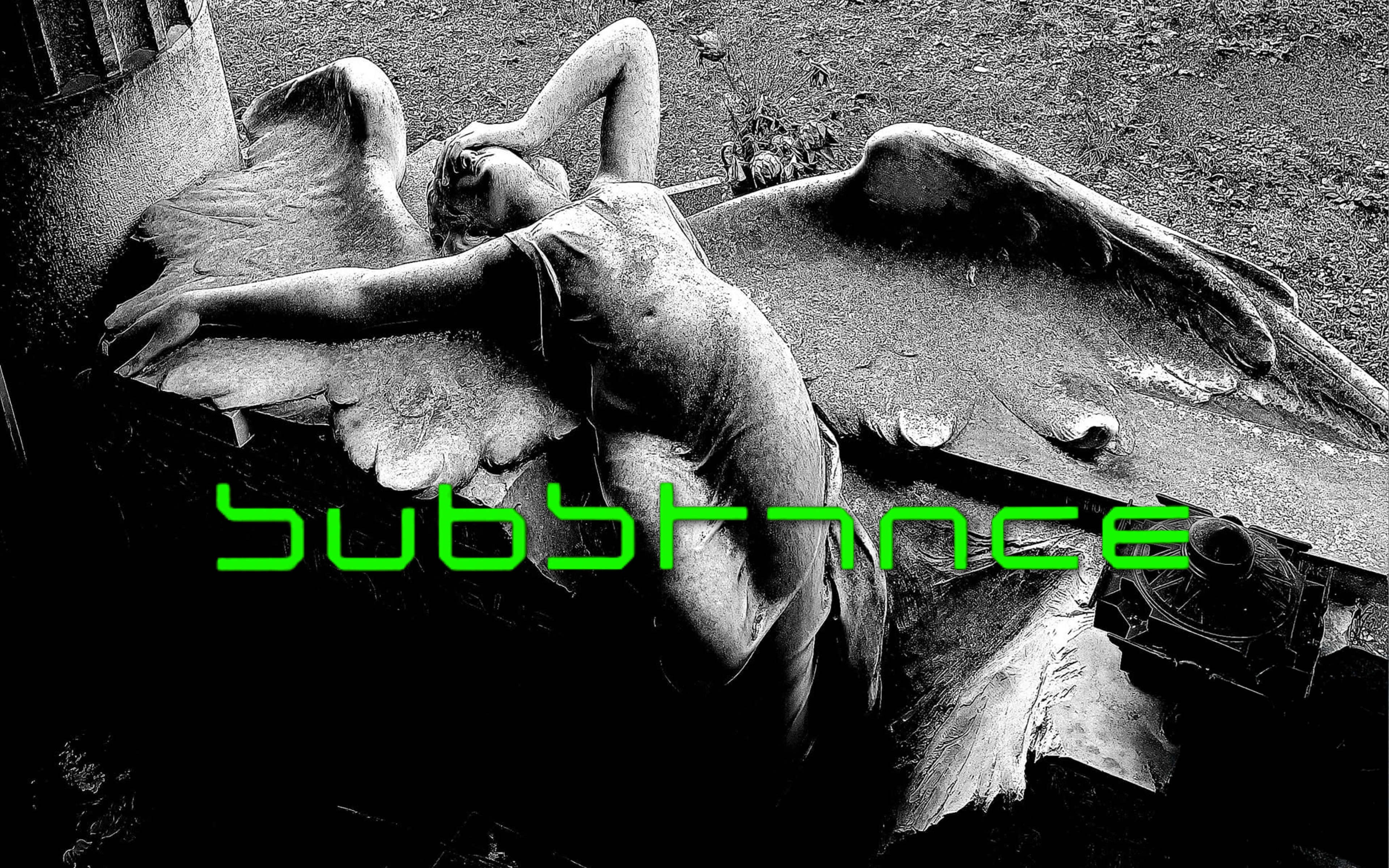
The Ribaudo family tomb angel is a famous 1910 sculpture by Onorato Toso located in the Staglieno Cemetery in Genoa, Italy, which was immortalized on the 12-inch single cover of Joy Division's "Love Will Tear Us Apart".
Monument Details Sculptor: Onorato Toso Onorato Toso
Circa 1910 Monumental Cemetery of Staglieno, Genoa, Italy
A grieving, distraught angel leaning downward [1, 2, 3]
The Artwork: A 1978 photograph of the statue taken by Bernard Pierre Wolff was used by designer Peter Saville for Factory Records.


New Order's second single, released 25 September 1981 as double A side.
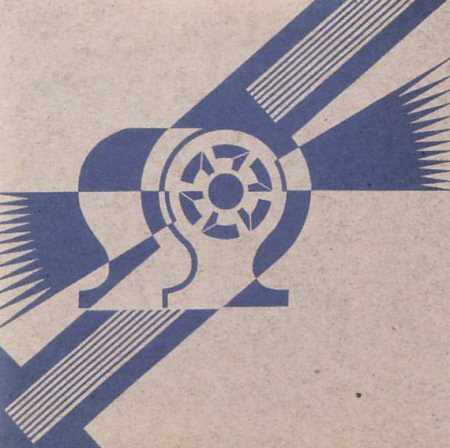
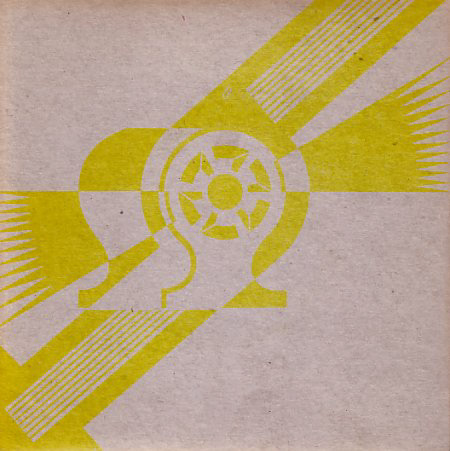
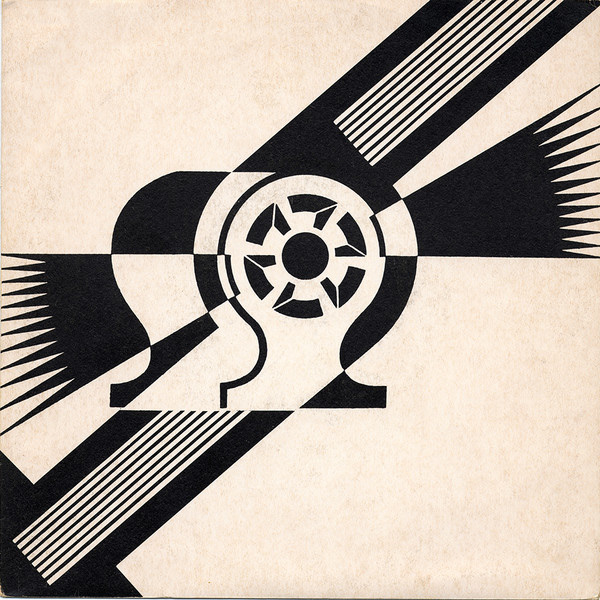
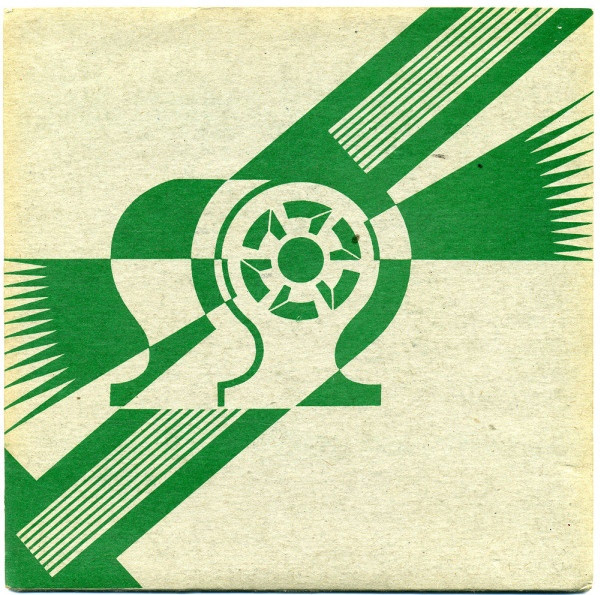
The original UK covers are made of grey paper board and come printed in nine different colours, apparently after the band's and management's favourite colours.
The Portuguese, French and Spanish covers also use grey paperboard but with blue graphics only.
The Italian cover was printed black and white on paper while the New Zealand cover has paper with a dark blue/light blue colouring.
Australia had imported UK covers and pressings in various colours only.
Peaked at #38 in the UK singles charts.

The Haçienda was a nightclub and music venue in Manchester, England, which became famous during the Madchester years It was run by the record label Factory Records.
The club opened in 1982, eventually fostering the Manchester acid house and rave scene in the late 1980s. The early success of Factory band New Order, particularly with their 1983 dance hit "Blue Monday", helped to subsidise the club even as it lost considerable amounts of money (in part due to clubbers' embrace of the street drug ecstasy, which drove down traditional alcohol sales).
The club's subculture was noted by the Chief Constables of Merseyside and Greater Manchester as reducing football hooliganism. Crime and financial troubles plagued its later years, and it finally closed in 1997.
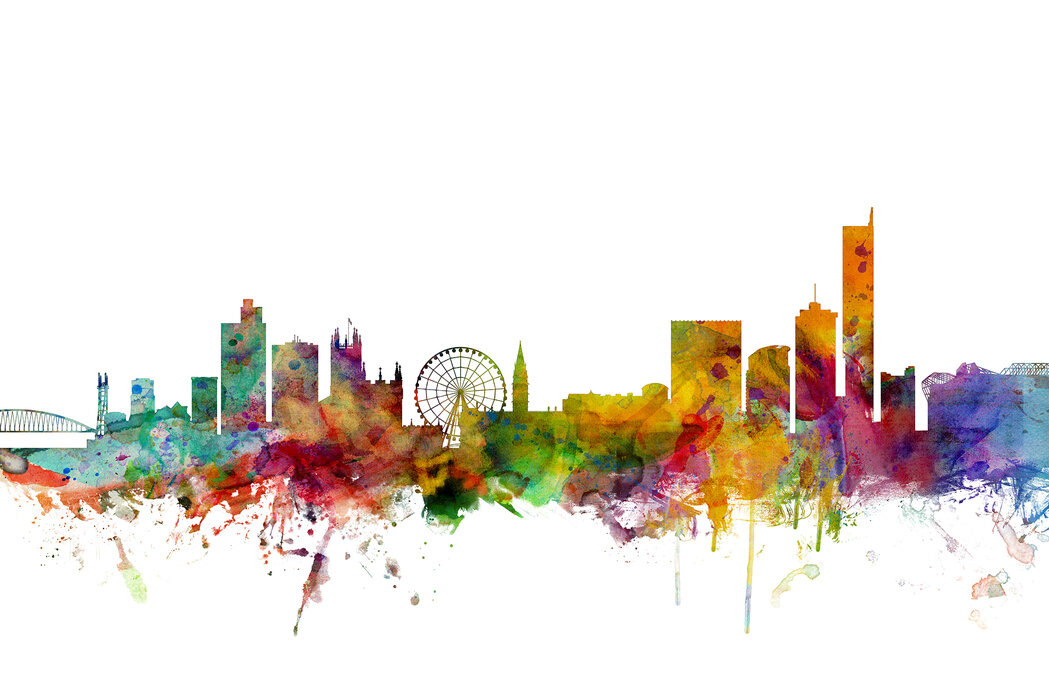
Since the late 2010s, central Manchester has experienced a major high-rise boom, with the number of buildings over 100 metres (330 ft)increasing from just four in 2017 to 29 in 2026. An additional five towers exceeding 100 metres are currently under construction. This represents the largest concentration of high-rises in any UK metropolitan area outside London. The tallest to date is the South Tower at Deansgate Square, completed in 2018 at 201 metres (659 ft), making it the tallest building in the UK outside London.